
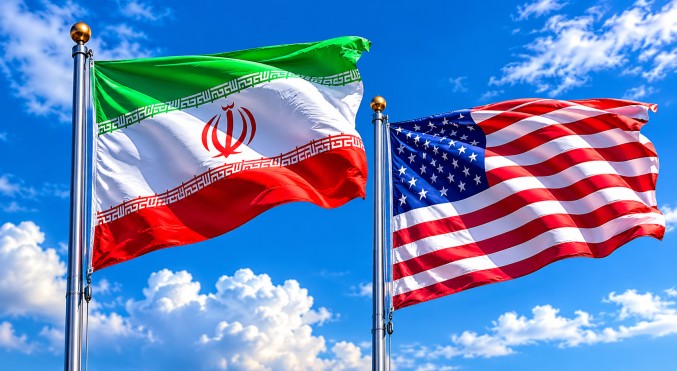
In a bid to defuse mounting tensions, Iran and the United States have reported some headway in their ongoing negotiations, though concerns linger over potential American military actions. Iranian officials noted that recent talks have seen a reduction in disagreements, with the primary focus on establishing a comprehensive ceasefire and alleviating regional tensions. Esmail Baghaei, spokesperson for Iran’s Foreign Ministry, indicated that the current dialogue aims to first halt hostilities, with nuclear issues slated for later discussions.
Marco Rubio, the US Secretary of State, also confirmed that progress has been made, emphasizing that diplomatic channels remain active and further updates may soon be available. The US stance remains firm on preventing Iran from acquiring nuclear weapons, demanding assurances regarding uranium stockpiles, and the reopening of the critical Strait of Hormuz.
Amid these negotiations, Mohammad Bagher Ghalibaf, speaker of Iran’s parliament, issued a warning that any new US military attacks would provoke a more intense Iranian retaliation. He asserted that Iran has been restoring parts of its military strength following a period of conflict and a tenuous ceasefire.
Pakistan has played a mediating role between Tehran and Washington, with its army chief engaging in meetings with senior Iranian leaders in Tehran. These talks were described as constructive, with the aim of setting up another round of direct negotiations between the two nations.
The diplomatic efforts come at a critical time as worries about regional stability, global energy supplies, and the potential for further escalation in the Middle East continue to grow. Both sides appear keen on finding a path forward that might prevent further conflict and promote stability in the region.