
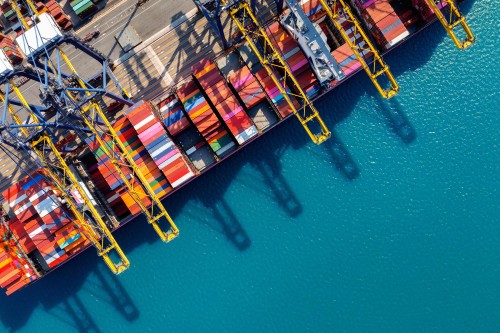
The European Union and China have committed to three months of negotiations to address a significant €360 billion trade imbalance and avert a potential trade conflict. This development follows a period of heightened tensions due to a surge in Chinese exports to European markets, prompting both parties to seek a more balanced trade relationship. The agreement, marking the first joint statement between the EU and China in seven years, was established in Brussels and is seen as a strategic move to stabilize economic relations between the two powers.
EU Trade Commissioner Maroš Šefčovič expressed optimism that the talks would yield “tangible results” ahead of a scheduled high-level meeting in Beijing in October. The discussions, initiated during a meeting with Chinese Commerce Minister Wang Wentao, aim to defuse trade tensions through diplomatic efforts. Both the EU and China have emphasized the importance of these trade and investment consultations in fostering dialogue on economic policies and maintaining stable relations, although European leaders remain wary of a scenario they term “China Shock 2.0,” where increased Chinese exports could impact European industries and employment.
Data from Eurostat reveal that Chinese exports to the EU surpass European exports to China by approximately €1 billion daily. Šefčovič has highlighted the unsustainable nature of this growing deficit, underscoring the necessity for substantive progress in the negotiations. Concerns from European industry groups about the potential weakening of local manufacturing have been noted, particularly in sectors reliant on Chinese components. The scope of the dispute extends beyond electric vehicles and green energy products, encompassing broader industrial competition.
The discussions are set to focus on four primary areas: trade and investment balance, export controls concerning rare earth materials, intellectual property rights, and World Trade Organization-related reforms. Additionally, the EU and China have agreed to implement a monitoring system to track sudden changes in import or export levels. Officials have indicated that if trade flows reach critical levels, political intervention could be necessary.
In response to previous attempts to mitigate Chinese electric vehicle imports through tariffs in 2024, which proved largely ineffective, the EU is adopting a more cautious approach. European officials are now contemplating further measures, including potential quotas on hybrid vehicles and chemical products, as they navigate the complexities of maintaining a fair trade environment with China.