
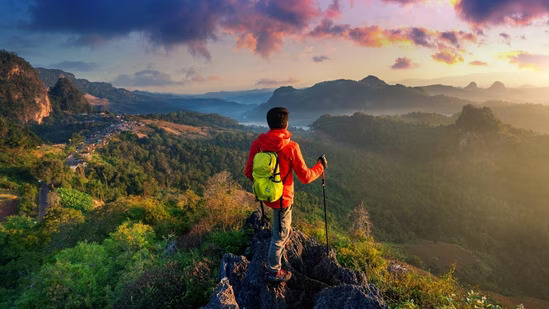
Embarking on a solo travel adventure offers the unique opportunity to explore destinations at your own rhythm, making decisions independently and experiencing places in a deeply personal way. However, the abundance of choices available can sometimes lead to confusion and stress if not properly managed. Crafting a detailed itinerary is key to maximizing enjoyment on your journey while still leaving room for unplanned adventures.
The initial step in planning is establishing a budget and clarifying your travel goals. Start by deciding on your total spending limit and then allocate funds across key categories such as transportation, lodging, meals, local transit, activities, shopping, and unforeseen expenses. Equally important is understanding the type of experience you seek. Whether you desire a tranquil getaway, a cultural deep dive, a culinary escapade, or an adventure-packed trip, having a clear objective simplifies the planning process.
Thorough research of your chosen destination is essential before setting out on a solo trip. Investigate the optimal times to visit, available local transportation options, the character of different neighborhoods, weather patterns, and notable sites in the vicinity. Selecting accommodation in a safe and conveniently located area with easy access to public transport, dining options, and essential services is crucial. Familiarizing yourself with the locations of pharmacies, hospitals, and emergency facilities can also enhance your peace of mind while traveling alone.
When organizing your itinerary, aim to plan your daily activities based on their geographical proximity. This approach prevents the exhaustion of crisscrossing an entire city in a single day. By grouping attractions, cafes, markets, and cultural venues that are near each other, you save time on transit and allow for more immersive experiences. It’s also important to leave room for flexibility in your schedule. While it’s wise to plan key activities, having the freedom to embrace unexpected opportunities can enrich your travel experience. A practical strategy is to schedule one major activity, a secondary plan, and an optional event each day, allowing room for rest, unexpected delays, or spontaneous exploration.
Safety should be an integral part of your travel plan. Share your itinerary, accommodation details, and daily plans with a trusted contact. Keep copies of essential documents, travel confirmations, and identification. Staying informed on local guidelines, weather conditions, and safety information can contribute to a smoother solo travel experience. With the right balance of freedom and thoughtful preparation, solo travel can be an empowering experience, offering the joy of discovery with the confidence of a well-planned journey.